Water purification technology is evolving rapidly like another technology. Today, safe drinking water is no longer a luxury but a necessity. With increasing concerns about water contamination, rising TDS levels, and growing health awareness, the RO water purifier industry is witnessing significant technological innovation.
In recent years, manufacturers and technology providers have started integrating smart automation, AI monitoring, and energy-efficient filtration systems into modern water purifiers. As a result, the next generation of RO systems is becoming smarter, more efficient, and more environmentally friendly.
In this article, RO Kart explores the latest RO technology trends in 2026 that are shaping the future of smart and advanced water purification systems.
Artificial intelligence is transforming the way modern RO water purifiers operate. As water quality varies significantly across regions, AI-based systems help maintain consistent purification performance. These advanced purifiers analyze incoming water quality in real time and automatically adjust the filtration process for better efficiency. As a result, users receive safer and healthier drinking water without manual adjustments.
Key Features of AI-Based RO Systems
Moreover, these intelligent systems reduce water wastage and extend the lifespan of RO membranes. Consequently, AI-powered RO purifiers are becoming a major part of the next generation of smart water purification technology.
Traditional RO systems often waste a large amount of water during the purification process. However, new-generation RO purifiers are now designed with high water recovery technology to reduce wastage and improve overall efficiency. As water conservation becomes increasingly important, these advanced systems help households and businesses save water while still ensuring safe drinking water.
Innovations in Water-Saving RO Systems
Moreover, many modern purifiers now reuse reject water for cleaning, washing, or gardening purposes. As a result, these innovations make RO systems more sustainable, environmentally friendly, and cost-effective, especially in regions where water scarcity is a major concern.
The future of RO filtration is increasingly moving toward graphene-based membranes and nanotechnology filtration systems. As water purification technology advances, these next-generation membranes are designed to deliver faster filtration while maintaining extremely high purification efficiency. Therefore, they are expected to become a major innovation in the upcoming generation of RO water purifiers.
Benefits of Next-Gen RO Membranes
Moreover, graphene membranes are significantly thinner yet stronger than traditional RO membranes. As a result, they allow better purification with lower pressure and reduced energy usage. Consequently, nano-filtration and graphene technologies are set to revolutionize the future of advanced RO purification systems.
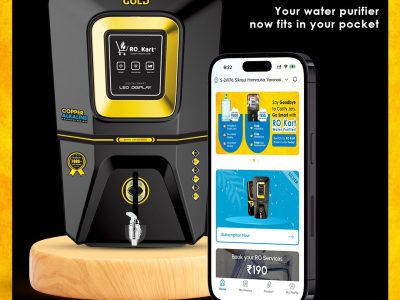
The integration of IoT (Internet of Things) is redefining how modern RO water purifiers operate. With smart connectivity features, users can now monitor and control their purification systems through mobile applications. As technology advances, IoT-enabled RO purifiers provide greater convenience, better monitoring, and improved maintenance management.
Smart IoT Features in RO Systems
Moreover, these connected systems allow users to track purifier performance and receive maintenance alerts in real time. As a result, IoT-enabled RO systems help ensure uninterrupted access to clean drinking water while making purifier management more efficient and user-friendly.
Today’s consumers expect more than just purified water — they want healthier, mineral-rich drinking water. Therefore, modern RO water purifiers now include advanced mineral and alkaline customization features that improve both water quality and taste. These systems help restore essential minerals that are often removed during the RO purification process.
Customization Features in Advanced RO Systems
Moreover, these technologies reintroduce important minerals such as calcium and magnesium back into the purified water. As a result, users receive water that is not only safe but also healthier and better for daily consumption.
Moreover, these systems provide a sleek and minimalist design that fits easily into contemporary kitchens. As a result, tankless RO purifiers deliver faster water dispensing, improved hygiene, and efficient use of space, making them ideal for modern homes.
As modern kitchens become more space-efficient, the demand for tankless and compact RO water purifiers is growing rapidly. Unlike traditional purifiers with large storage tanks, tankless RO systems purify water instantly whenever needed. Therefore, they offer a cleaner, more convenient, and space-saving solution for modern households.
Advantages of Tankless RO Technology
Moreover, these innovations allow RO systems to function efficiently even in areas with unstable electricity supplies. As a result, energy-efficient and solar RO purifiers are particularly beneficial for rural regions and locations with frequent voltage fluctuations, making clean drinking water more accessible and sustainable.
Energy efficiency is becoming a major priority in the RO water purifier industry. As electricity costs rise and sustainability becomes more important, manufacturers are developing energy-efficient and solar-compatible RO systems. These advanced purifiers are designed to operate with minimal power consumption while still delivering high-quality water purification.
Energy Innovations in RO Technology
Hygiene and maintenance innovations are playing a major role in shaping the next generation of RO water purifiers. As consumers become more aware of water safety, manufacturers are introducing self-cleaning and antibacterial technologies to ensure cleaner and safer drinking water. These features help maintain purifier hygiene and reduce the need for frequent manual maintenance.
Advanced Hygiene Features
Moreover, these technologies actively prevent bacterial growth and contamination inside the purifier. As a result, users receive consistently safe drinking water while also benefiting from longer purifier lifespan and improved system hygiene.
1. What is the latest technology in RO water purifiers in 2026?
The latest technology in RO water purifiers includes AI-powered smart systems, IoT-enabled monitoring, zero water wastage technology, graphene-based RO membranes, alkaline mineral enhancement, and self-cleaning filtration systems. These innovations focus on improving purification efficiency while also promoting water conservation and smart automation.
2. What is zero water wastage RO technology?
Zero water wastage RO technology refers to advanced purification systems designed to significantly reduce reject water. Modern high-recovery RO purifiers can achieve up to 80–90% water recovery by recycling reject water or using improved membrane technology. As a result, these systems are more eco-friendly and cost-effective.
3. Are smart RO water purifiers worth buying?
Yes, smart RO water purifiers are worth buying because they offer features like real-time TDS monitoring, filter life alerts, automatic purification adjustment, and mobile app control. Therefore, these technologies help maintain consistent water quality while also reducing maintenance and operational costs.
4. What is a graphene RO membrane?
A graphene RO membrane is a next-generation filtration material that is thinner yet stronger than traditional membranes. Because of its advanced structure, it allows faster water flow, requires lower pressure, consumes less energy, and improves contaminant removal efficiency in modern RO systems.
5. What is the future of the RO industry in India?
The future of the RO industry in India is focused on smart automation, high water recovery systems, mineral-enhanced purification, energy-efficient technologies, and sustainable filtration solutions. As concerns about water contamination increase, demand for advanced water purifiers is expected to grow significantly.
6. Which RO purifier is best for high TDS water?
For high TDS water (above 500 ppm), an advanced RO purifier with a TDS controller, mineral cartridge, and multi-stage filtration system such as RO + UV + UF is recommended. Additionally, smart RO purifiers with automatic TDS adjustment provide better purification and improved water taste.
The future of the RO water purifier industry in India is moving toward smarter, more efficient, and environmentally responsible technologies. As water quality challenges continue to grow, manufacturers are focusing on innovations that improve purification performance while also conserving water and energy.
Key trends shaping the future include:
Moreover, modern consumers now expect water purifiers that offer convenience, advanced monitoring, and healthier drinking water. Therefore, the integration of AI, IoT, and next-generation filtration technologies will continue transforming the RO industry in the coming years.
At RO Kart, we are committed to sharing the latest industry insights and providing advanced RO solutions designed for modern homes and businesses.









Recent Comments